one day,
two records.
What actually changes when the same team photographs and films your wedding — and, honestly, when one of the two is enough.
Most pages about wedding photography and videography together are really pages about packages. This one is not. We are not going to tell you what is in a tier — we would rather explain what genuinely differs on the day, so you can decide whether you want both at all.
They record different things
A photograph is a held moment. It survives being looked at for years because it does not move — you find new things in a still frame the tenth time you see it. A film is the opposite: it is the only record that keeps time, motion and, above all, sound.
Which means the two mediums are not redundant, but they are also not equally important to every couple. If what you most want is the look on your mother's face, a photographer will give you that better than anyone. If what you most want is your grandfather's voice, no photograph will ever do it.
What changes with one team
The practical difference is not artistic, it is logistical, and it shows up in three places.
One timeline. Photography and film both need the same scarce resource — the light before sunset. Two separately booked teams will each, reasonably, ask for that window. One team plans it once, and nobody is negotiating over the couple in the twenty minutes that matter most.
One set of positions. During a ceremony there are only a few places a camera can stand without being in the pictures. When the stills and motion teams are the same team, the video operator is not in the photographer's frame and the photographer's shutter is not in the vows audio. That coordination is invisible when it works and very visible when it does not.
One visual language. Grading a film and editing a gallery to the same sensibility means the two deliverables feel like one day rather than two interpretations of it.
Where the mediums genuinely split
- Vows and speeches — film, decisively. This is the argument, if there is one.
- Portraits — photography, usually. Stills hold a face better than motion does.
- The ceremony itself — both, differently. Stills for the faces in the rows; film for the pauses.
- Dancing and reception — film carries energy; photographs carry the individual moments inside it.
- Details and dress — photography. Motion adds little here.
When one is enough
We would rather say this plainly than sell past it. If your budget genuinely stretches to one medium done well rather than two done thinly, choose one and do it properly. A small intimate ceremony with few speeches, or a couple who know they are photograph people rather than film people, are both entirely reasonable reasons to book a photographer only.
The couples who benefit most from both tend to be the ones with something that has to be heard — handwritten vows, a parent's toast, a ceremony in more than one language, or family who could not travel and will only ever experience the day through what we hand back.
the same wedding, both ways.

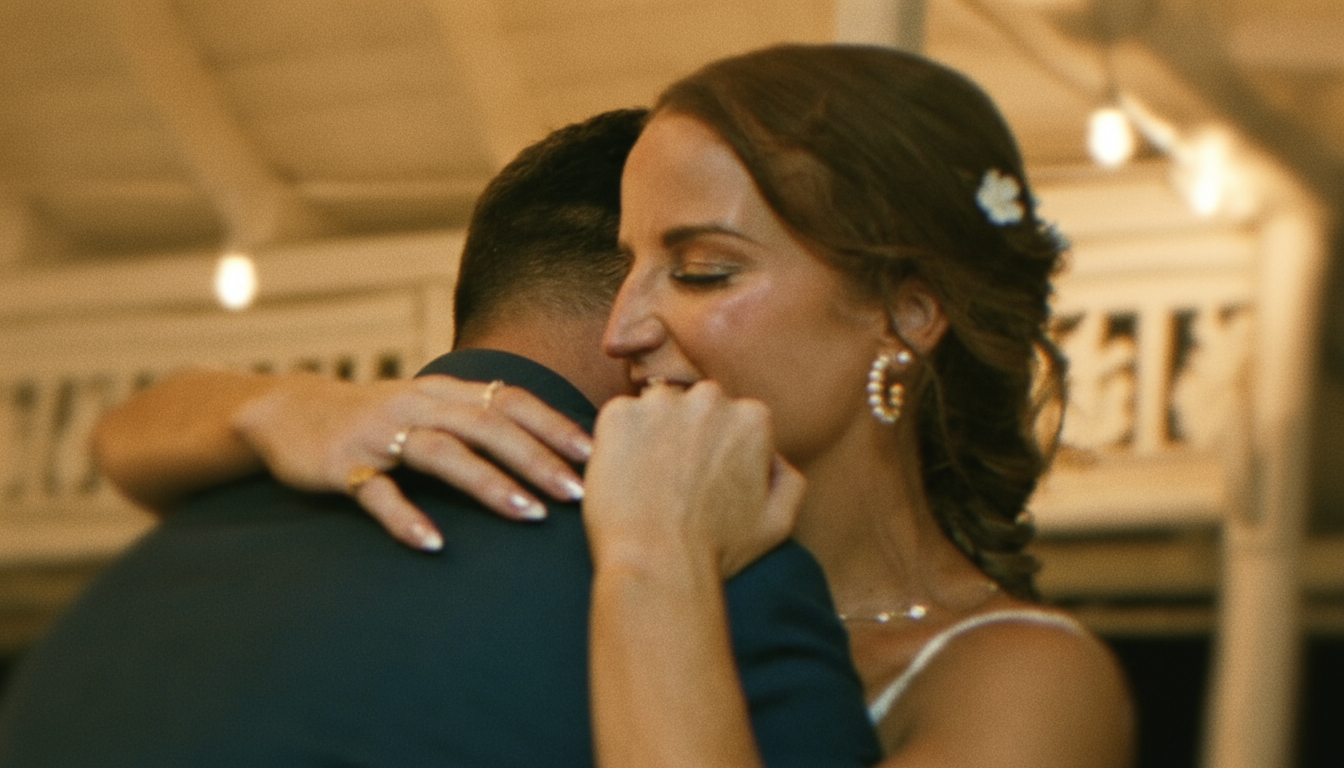
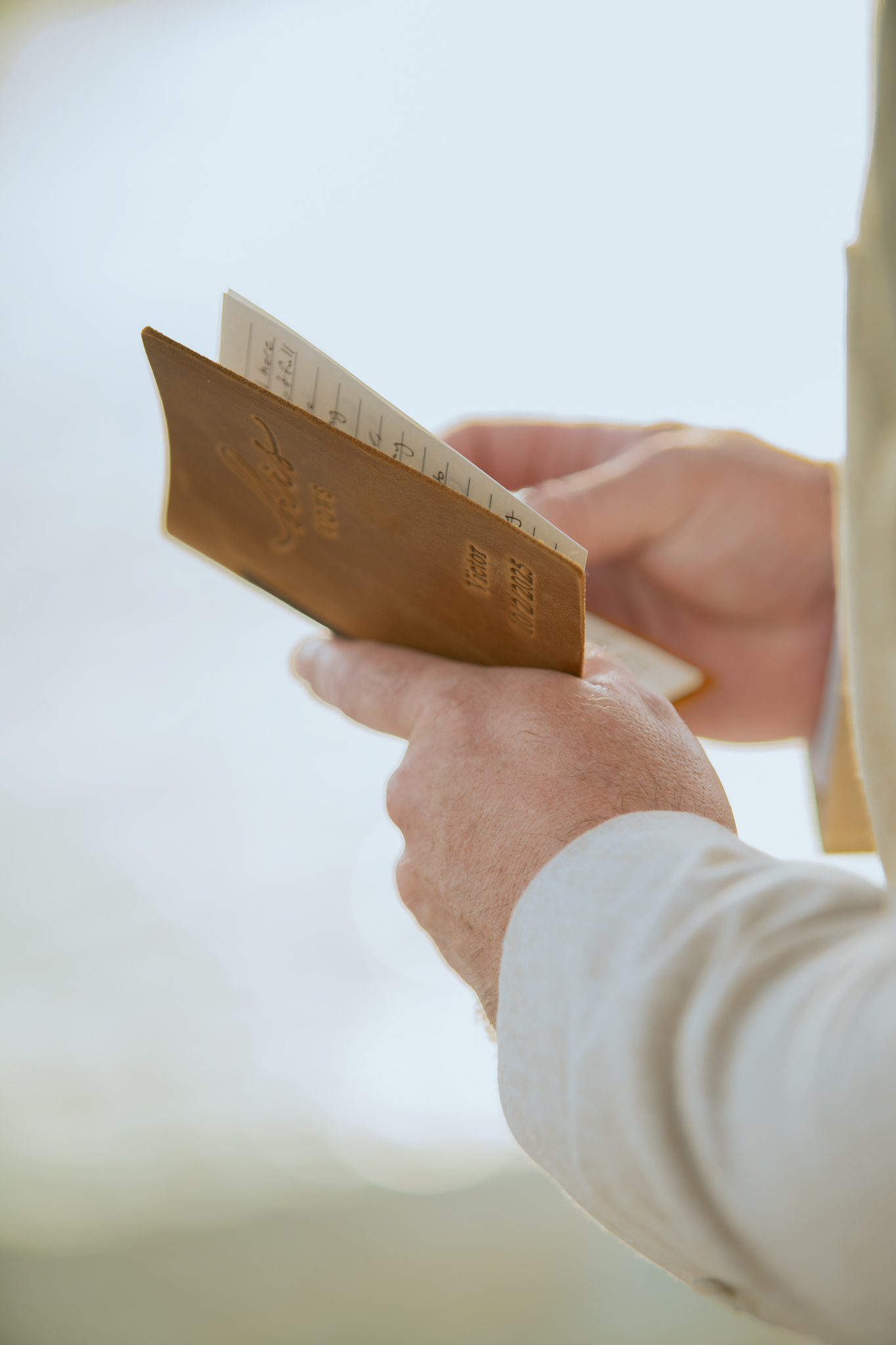
See one wedding documented in both · Samantha & Brian, Tensing Pen →
next.
photography, film, or both.
Tell us about your day and we will give you an honest answer about what it actually needs.
Check your date →